Hi, I'm  Nish. I want designing and building to be the same job.
Senior product designer at , based in Denver, Colorado.
It took a while to get here.
- 2014Chennai
I went to SRM to study IT, and taught myself design on the side.
- 2016firehearts.co
I co-founded a design studio. We did branding and web for 20+ Indian startups, and I learned to own a client and run a team of five.
- 2018Boulder
I moved to Colorado for a master's in computer science, so I'd understand how the things I design get built.
- 2020A real classroom
I designed Sheetbroker, a live sensor dashboard, and kept testing it until it held up with 200+ students using it.
- 2021Ford
I started designing what people touch in their cars. It taught me the happy path is the easy 20%.
- 2024On the road
The controls system shipped on the Nautilus, Explorer and Navigator. Drivers found key controls about 30% faster.
- 2026My own time
I built slate and Tab myself, design and code. That's the job I want next.
Along the way I learned to work in rounds.
DesignersDoes it fit the system, or is there a pattern we already have?
EngineersWhat will it cost to build, and which states did I miss?
ProductDoes it move the goal we agreed on, and what can wait?
My managerIs this the right problem for the team to spend time on now?
Work on it with my agents
I block out a long stretch and stay with one problem. I set the direction and check the details, and agents build alongside me until there's a prototype someone can click.
Show it early
It goes in front of the people around the work while it's still rough and cheap to change.
Sort the notes
Some notes I fix, some I look into, and some I push back on. I write down why for each one.
Run the next round
Each round is smaller than the one before. I stop when it solves the problem we started with and the whole team agrees it's ready for engineers to build.
These are the tools I do it with.
BuildBuild something people can click.
I build the prototype in code with Claude Code and Codex, directing the work and reviewing what comes out. Storybook holds every state of a component, so the empty, error and half-loaded versions exist before anyone asks.
And when I stop, I watch,
on slate: 59 watched, 171 to go.
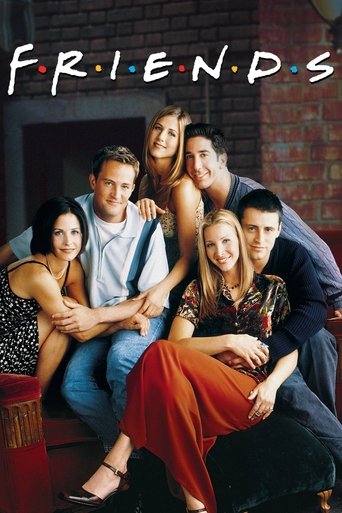


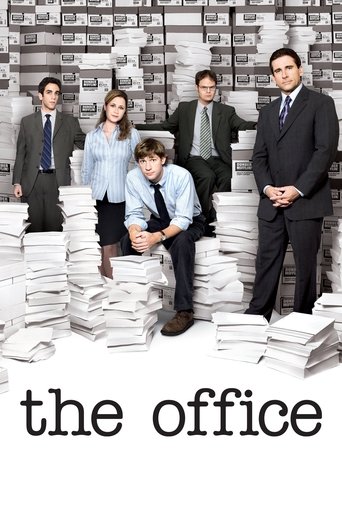




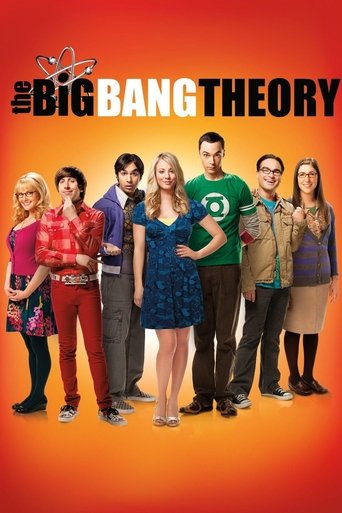
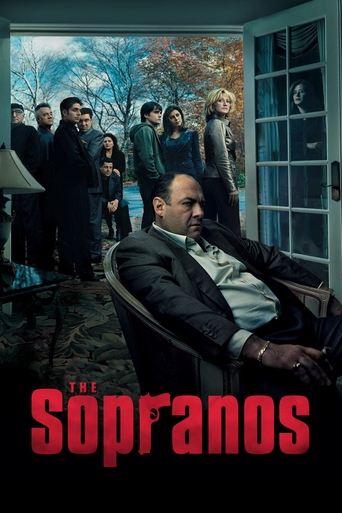















I read,
Reading
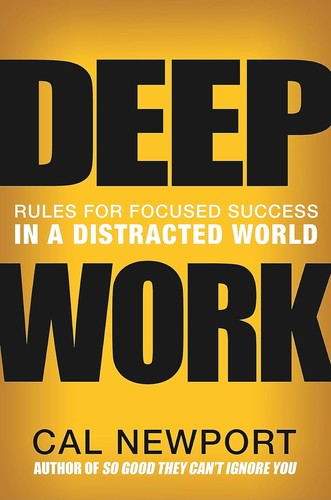
Deep WorkCal Newport
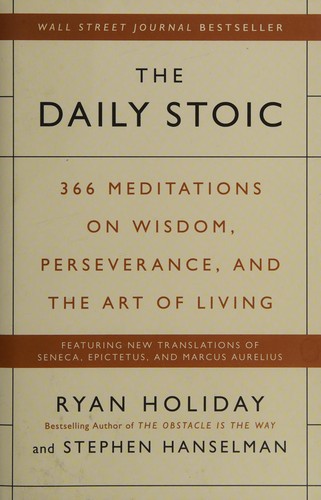
The Daily StoicRyan Holiday

The Mistborn TrilogyBrandon Sanderson
Next up
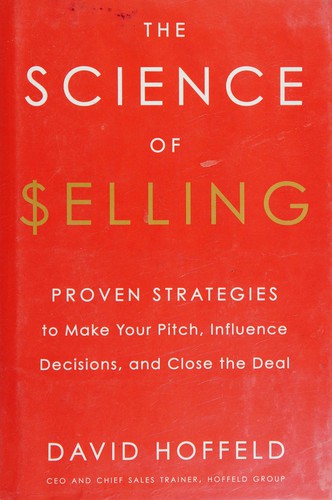
The Science of SellingDavid Hoffeld
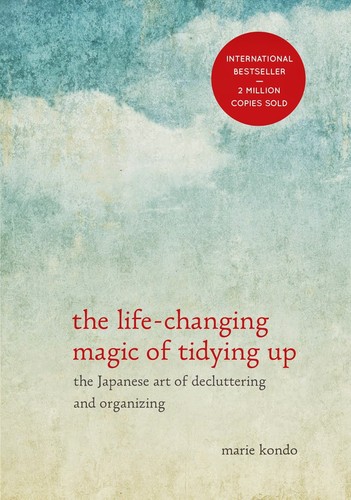
The Life-Changing Magic of Tidying UpMarie Kondo
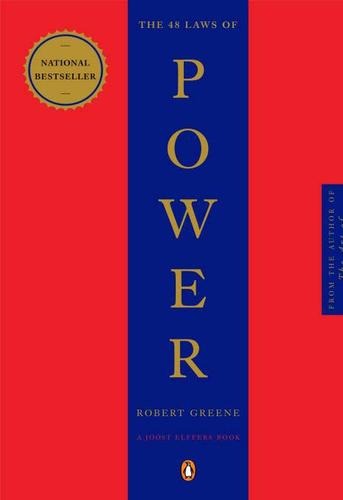
The 48 Laws of PowerRobert Greene
and I draw.









If that sounds like someone you need, say hello.
, a 30-minute call, or my résumé.